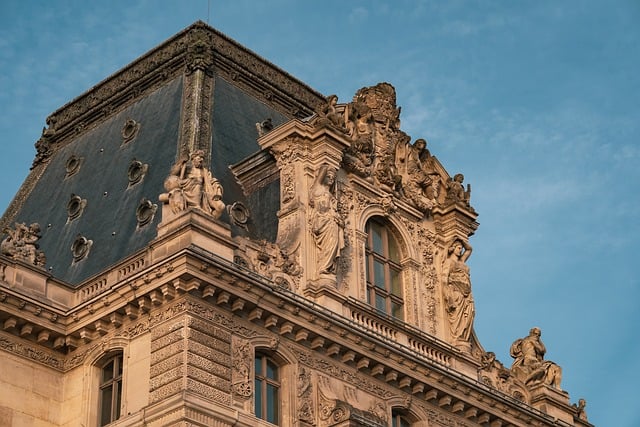

Baroque details have long been a hallmark of opulence, intricate scrollwork, and dramatic flair. In the world of jewelry, they transform ordinary pieces into wearable art that feels both historical and personal. This guide invites you to explore how to bring that lavish style into your own hands, using simple tools and affordable materials. Whether you’re a seasoned hobbyist or just starting out, the techniques described here will let you create stunning earrings, necklaces, and brooches that echo the grandeur of the Baroque era.
Understanding Baroque Aesthetics
Before diving into the crafting process, it’s helpful to grasp what makes Baroque design distinctive. Think of swirling curves, ornate filigree, and a sense of movement that pulls the eye across a surface. In jewelry, these traits often appear as exaggerated scrolls, rosettes, and dramatic gemstones set in swirling settings. When you aim to incorporate Baroque details, focus on the balance between complexity and elegance; too much ornamentation can overwhelm, while a subtle nod to the style keeps the piece wearable.
- Curvilinear motifs – smooth, flowing lines that mimic vines or waves.
- Rich textures – hammered metal, polished surfaces, or intricate filigree.
- Grand scale – larger-than-life gemstones or oversized design elements.
Gathering Your Materials
Baroque-inspired jewelry can be crafted from a range of materials, but certain staples make the process smoother:
“Choosing the right base metal is essential; silver or gold vermeil offer a classic feel, while brass provides a more affordable option without compromising style.” – JewelCraft Mentor
Here’s a quick list to get you started:
- Base metal (silver, gold vermeil, or brass).
- Gemstones or glass beads – consider cabochons or pearls for that opulent look.
- Wire for filigree – 16‑20 gauge works well.
- Small pliers, cutters, and a bench vise for shaping.
- Polishing cloths and a mild cleaning solution.
Step‑by‑Step: Crafting a Baroque‑Inspired Pendant
Let’s walk through the creation of a pendant that showcases swirling scrolls and a dramatic centerpiece. The process is modular, so feel free to adjust each stage to fit your design preferences.
- Design Sketch: Begin by sketching your concept on paper. Outline the main scroll, the central gemstone, and any additional decorative elements. Keep the lines fluid to capture the Baroque spirit.
- Metal Preparation: Cut a rectangular sheet of your chosen metal to the desired size. Clean the edges and shape them into a base plate using a hammer and a flat surface. This will serve as the canvas for your scrollwork.
- Wire Filigree: Wrap thin wire around the base plate to create the signature swirling patterns. Use a combination of tight coils and loose loops to mimic the natural curves of vines. Secure the wire with pliers, ensuring each loop is snug but not overly tight to avoid deformation.
- Gemstone Placement: Select a large gemstone or cabochon that fits within the central space of your scrollwork. Secure it with a small metal pin or a soldered setting. If you prefer a more subtle approach, consider embedding a crystal inside a glass dome that sits atop the scroll.
- Finishing Touches: Polish the entire pendant with a gentle abrasive pad, taking care to highlight the contrast between the polished metal and the textured filigree. Apply a protective sealant if desired to preserve the finish.
When complete, your pendant should exude the drama and richness characteristic of Baroque jewelry.
Translating Baroque Details into Earrings
Earrings offer a versatile canvas for Baroque details. A pair of chandelier earrings, for instance, can combine swirling ribbons with cascading gemstones. Here’s a concise method to achieve that effect:
- Cut two metal rods of equal length and curve them gently into a “C” shape.
- Attach a small loop at the top of each rod to secure a filament of wire that will form the swirls.
- Wrap the wire in a figure‑eight pattern, gradually tapering the diameter to create a sense of depth.
- Embed a cluster of tiny crystals at the inner loop, ensuring they are balanced to avoid a weighted look.
- Finish with a small clasp or a spring hook, depending on your preference for wearability.
By following these steps, you’ll produce earrings that are both eye‑catching and elegant.
Advanced Techniques for Baroque Mastery
Once you’re comfortable with basic shapes, you can explore more complex methods to elevate your jewelry:
- Hand‑Bending Filigree: Use a heat source, like a blowtorch or a small soldering iron, to gently bend wire into organic curves. This technique allows for greater freedom than mechanical tools.
- Engraving and Relief Work: Add depth by carving tiny patterns into the metal surface, revealing hidden layers that play with light.
- Mixed Media: Combine metals with enamel or lacquer to create a vibrant contrast that enhances Baroque motifs.
Experimenting with these approaches can turn a simple piece into a truly standout statement.
Care and Maintenance of Baroque Jewelry
Baroque jewelry, with its intricate details, requires thoughtful upkeep to preserve its beauty:
- Store pieces individually in a soft pouch or lined box to prevent scratches.
- Clean with a mild soap solution and a soft brush, avoiding abrasive materials that can damage filigree.
- Inspect regularly for loose components, especially where wire meets metal, and retighten or re‑solder as needed.
- Keep away from harsh chemicals and excess moisture, which can tarnish metal and degrade gemstones.
When handled with care, your Baroque creations can be treasured heirlooms.
Creative Projects Beyond Jewelry
Baroque details aren’t limited to wearable pieces. Consider applying the same motifs to accessories, home décor, or even jewelry boxes. Here are a few inspiring ideas:
- Design a necklace chain with tiny Baroque scrolls engraved along its length.
- Create a brooch that doubles as a decorative keychain, featuring a miniature scrollwork crown.
- Craft a hairpin with a central gemstone and surrounding filigree that echoes a Baroque fan.
- Make a small jewelry box lid embellished with relief scrolls, giving the item a regal touch.
These projects showcase how the Baroque aesthetic can be woven into everyday items, adding a splash of elegance.
Final Thoughts and Inspiration
Incorporating Baroque details into your jewelry projects invites a journey through history, art, and personal expression. The key lies in balancing complexity with wearability, ensuring that each piece feels both grand and functional. As you experiment, keep an open mind to blending traditional techniques with modern materials, and let your creativity guide you toward pieces that speak to your own style.
Whether you craft a single pendant or an entire collection, remember that the essence of Baroque design is movement, drama, and a touch of luxury. Embrace these elements, and your handmade jewelry will stand out as a testament to your skill and artistic vision.