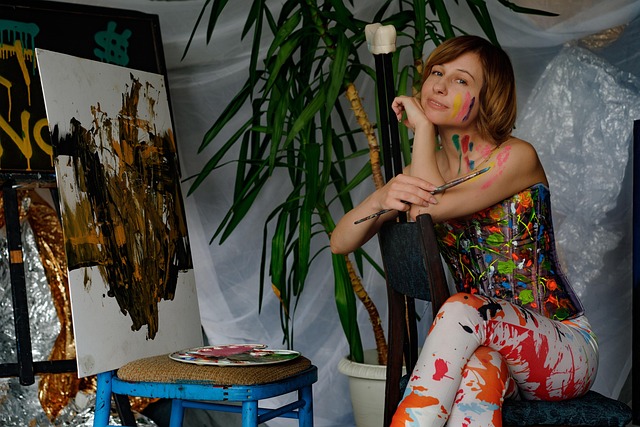

When the word “avant‑garde painting” rolls off the tongue, most people picture a studio lined with towering canvases, a palette of exotic pigments, and a solitary figure hunched over an easel. That image is still relevant, but it is by no means the only path into the world of experimental art. The beauty of a DIY, handcrafted approach is that it turns a simple studio into a living laboratory, inviting hobbyists, students, and seasoned painters alike to push the boundaries of their own creative expression.
Why DIY Avant‑Garde Painting Matters
Avant‑garde painting is all about breaking conventions—challenging viewers to see familiar subjects in unfamiliar ways, or layering meanings until the surface no longer tells the whole story. By embracing a do‑it‑yourself mindset, artists can experiment freely without the constraints of commercial supply chains or expensive studio time. In the process, they discover new techniques, materials, and philosophies that can be shared within a community or kept as personal treasures.
- Access to unconventional materials—leather, found objects, recycled glass.
- Freedom to fail, learn, and iterate on a small scale.
- Opportunity to blend disciplines: sculpture, collage, digital prints, and painting.
Materials That Spark Innovation
While a traditional paint set might include oils, acrylics, and watercolors, avant‑garde painting thrives on the unexpected. Think of everyday items—old newspapers, coffee grounds, spices, or even broken electronics—as potential color sources. Pairing these with traditional media can create striking visual textures that challenge the eye and the mind.
“The best pigments are the ones you discover on your own path.”
Here are a few experimental pigment ideas:
- Use soot from a candle to add depth to a charcoal drawing.
- Blend dried flower petals into acrylic for a velvety finish.
- Reprocess kitchen spices into pastel powders for a vibrant, earthy palette.
Step‑by‑Step: Creating Your First DIY Avant‑Garde Canvas
Embarking on a DIY avant‑garde painting project can seem intimidating, but with a clear plan and an open mind, the journey is rewarding. Below is a roadmap that blends classic techniques with out‑of‑the‑box ideas.
Preparation
Start by selecting a base surface. A primed canvas, a weathered wooden plank, or even a piece of thick paper can serve as the foundation. Once your canvas is ready, sketch a loose composition that will guide the experimental process.
Mixing Your Own Pigments
Gather a collection of natural dyes—beet juice, turmeric, indigo dye, and burnt umber. Experiment with different solvents: water for watercolors, turpentine for oils, and glycerin for acrylics. The key is to observe how each solvent interacts with your pigment, adjusting viscosity and drying time.
Layering and Texturing
Begin by laying a thin wash of color across the canvas. Then, introduce contrasting textures—brush a thick glaze of burnt oil, scrape with a palette knife, or press a pressed flower onto the wet surface. Each layer will build upon the last, creating depth and intrigue.
Adding Found Elements
Incorporate objects you find around the house or outdoors—old keys, torn lace, a sprig of dried lavender. Affix them with a strong adhesive or embed them into a layer of resin for a glass‑like seal. These elements become part of the composition, adding symbolic weight and tactile interest.
Final Touches
Once the painting has dried, apply a protective varnish if desired. For an extra avant‑garde twist, leave a portion of the surface unvarnished to preserve the natural texture and create a subtle contrast between gloss and matte.
Exploring Themes Beyond Color
Avant‑garde painting isn’t limited to the visual palette; it’s also about the ideas you embed within the work. Consider exploring themes like:
- Temporal decay: Using rusted metal or crumbling plaster to represent the passage of time.
- Digital dissonance: Overlaying scanned glitch art onto a hand‑painted background.
- Environmental commentary: Painting with recycled plastic fragments to comment on waste.
Building a Community Around DIY Avant‑Garde Practices
Creativity thrives in collaboration. Sharing techniques, material sources, and critique can help refine each artist’s vision. Organize a local workshop where participants bring their own tools and ideas, then collectively experiment on a shared canvas.
Documentation Matters
Keep a sketchbook or a digital folder where you document each step—pigment mixes, material sources, sketches, and the rationale behind each decision. Over time, this record becomes a personal research archive that can inform future projects or serve as a teaching resource.
Encourage Curiosity
Ask open‑ended questions during group sessions: “What would happen if you inverted the color scheme?” or “How could a simple line become a portal to another dimension?” The answers often surface organically, revealing new pathways for experimentation.
From Experiment to Exhibition
Once you’ve honed your DIY avant‑garde painting techniques, consider showcasing your work. Local cafés, community centers, or even a small gallery space can host an informal exhibition. Provide context for each piece—explain your material choices, the inspiration behind the theme, and any challenges you overcame. This transparency invites viewers to appreciate not only the finished art but the creative process itself.
“The exhibition is less about the final product and more about the journey that led there.”
Conclusion: The Endless Canvas of DIY Avant‑Garde Painting
Avant‑garde painting, when approached as a DIY, handcrafted endeavor, transforms the artist’s studio into a dynamic laboratory where boundaries blur and possibilities expand. By experimenting with unconventional materials, embracing the messiness of trial and error, and fostering a community of curious minds, creators can push the limits of visual language. The result? Paintings that not only challenge the eye but also inspire the soul, reminding us that the most radical art often begins with a simple brushstroke and a daring spirit.