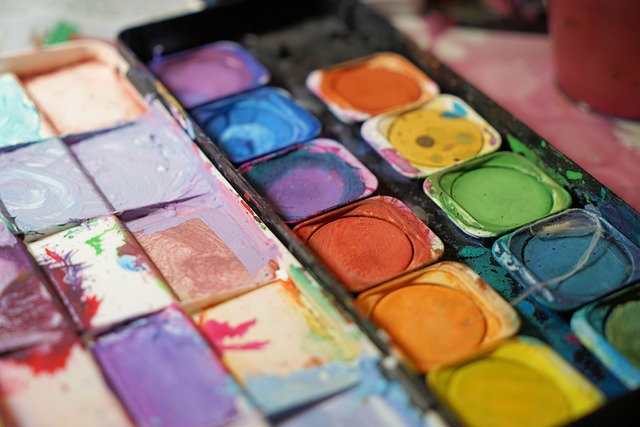

When it comes to breathing fresh life into a home or workspace, the most unexpected tools are often simple: paint, brushes, and a willingness to experiment. In the world of handcraft, a growing trend called foreign‑guided painting has become a source of inspiration for DIY enthusiasts who crave both creativity and cultural connection. This approach blends traditional painting techniques from around the globe with personal flair, turning ordinary surfaces into conversation pieces that carry stories beyond borders.
What Is Foreign‑Guided Painting?
Foreign‑guided painting is a hybrid art form that encourages practitioners to learn and adapt methods native to other cultures. It’s not about replicating a masterpiece; instead, it’s about extracting principles—such as color harmony, brushstroke rhythm, or thematic symbolism—and integrating them into everyday projects. The result is a personalized aesthetic that pays homage to diverse artistic heritages while staying true to the creator’s vision.
The Core Principles
At its heart, foreign‑guided painting rests on three pillars: observation, adaptation, and dialogue.
- Observation – Study the original technique, noting brushwork patterns, pigment choices, and cultural context.
- Adaptation – Translate these observations into materials you have access to, adjusting for local climate, available colors, and personal taste.
- Dialogue – Use the finished piece as a starting point for conversation about the culture that inspired it, encouraging a deeper appreciation for global art forms.
Why DIY Lovers Are Turning to Foreign‑Guided Painting
There are several reasons why this trend resonates with DIY enthusiasts:
- It opens up new creative horizons, moving beyond conventional Western styles.
- It encourages research and cultural literacy, turning a painting session into an educational experience.
- It promotes sustainability; many foreign techniques rely on natural pigments and low‑to‑zero‑toxicity materials.
- It fosters a sense of community, as people share their projects on social media, creating a global network of makers.
“Foreign‑guided painting isn’t just about aesthetics; it’s a bridge that connects us to stories we might otherwise overlook.” – Anonymous
Getting Started: Materials and Tools
While the idea of traveling the world through paint might seem daunting, the initial step is surprisingly straightforward. Begin with a basic toolkit and a curiosity about where each element originates.
- Brushes – A set of synthetic brushes with varying bristle types (soft, stiff, flat, round) can accommodate many foreign techniques.
- Paints – A range of acrylics or watercolors is essential, but consider natural pigments (clay, walnut shells, indigo) for an authentic feel.
- Canvas or Surface – Traditional stretched canvas works well, but wood panels, cork, and even repurposed fabrics can lend texture.
- Reference Materials – Books, documentaries, or digital archives about the target culture’s art history can guide your learning curve.
Step‑by‑Step Guide: A Mini‑Project
Let’s walk through a simple example: creating a Japanese-inspired sumi‑shō‑zu (ink wash) style tabletop coaster using the foreign‑guided painting approach.
- Research – Watch a short tutorial on traditional sumi‑shō‑zu techniques, noting the balance between black ink and subtle gray washes.
- Prepare the Surface – Lightly sand a wooden coaster and apply a thin coat of gesso to create a smooth base.
- Mix the Ink – Dilute a small amount of black ink with water to achieve a range of tones, from deep charcoal to delicate mist.
- Sketch the Design – Lightly pencil a minimalist motif (e.g., a single plum blossom or a mountain silhouette) to guide your strokes.
- Apply the Washes – Using a soft brush, apply broader strokes for background washes, then finer strokes for detail. Allow each layer to dry before adding the next to prevent muddying.
- Seal – Once dry, apply a clear acrylic sealer to protect the finished piece while preserving the subtle translucence.
- Reflect – Write a brief note on the coaster explaining the technique and the cultural inspiration, then place it on a table as a conversation starter.
Expanding the Palette: Cross‑Cultural Inspirations
To keep your projects fresh, consider exploring techniques from diverse regions. Below are a few ideas and how to incorporate them into DIY art.
- Indonesian Batik – Mimic the wax‑resist patterns by using a wax pen to draw a motif, then paint with watercolors or acrylics. Once dry, scrape the wax off to reveal the underlying color.
- Native American Gourd Painting – Use natural dyes made from beetroot or indigo to create vibrant designs on carved gourds. This not only honors the craft but also teaches about indigenous dyeing methods.
- Spanish Fresco Techniques – Apply layers of limewash on plastered walls or wooden panels, then use a dry brush to add fine details. The result is a muted, earthy aesthetic that ages gracefully.
- Egyptian Hieroglyphics – Sketch simple symbols on a canvas and paint them in gold leaf or metallic acrylic. This can become a striking decorative piece that sparks curiosity about ancient writing systems.
- South American Quipu Motifs – Recreate the knotted rope design on a ceramic tile using pastel or oil pastels, celebrating a pre‑colonial method of record‑keeping.
From Hobby to Heritage: Building a Collection
Once you’re comfortable with individual projects, consider curating a themed series. This could involve creating a set of coasters, wall hangings, or functional items that all draw from a single cultural technique but vary in color or subject. Such collections can serve as a personal gallery or a gift set for friends and family.
“When I started collecting foreign‑guided paintings, I found that each piece was a passport to a new way of seeing the world.” – Maria, DIY Enthusiast
Practical Tips for Long‑Term Success
As with any art form, practice and patience are key. Here are some actionable pointers to help you maintain momentum.
- Keep a Sketchbook – Document ideas, sketches, and references. This habit fosters continuous learning.
- Experiment with Mixed Media – Combine paint with charcoal, ink, or collage elements to deepen visual interest.
- Join Communities – Engage with local maker groups or online forums dedicated to handcraft. Sharing feedback accelerates growth.
- Respect Cultural Context – While adaptation is celebrated, avoid appropriation by acknowledging origins and, when possible, supporting artists from the culture you draw inspiration from.
- Store and Preserve – Use proper archival materials to protect your finished work, especially if you use natural pigments that may fade over time.
Closing Thoughts: A DIY Journey Around the World
Foreign‑guided painting invites you to step outside the boundaries of conventional handcraft and explore the rich tapestry of global artistic traditions. By blending observation, adaptation, and dialogue, you can create unique pieces that honor diverse cultures while expressing your own creative voice. Each brushstroke becomes an act of exploration, turning your living space into a living museum that celebrates unity in diversity. Embrace the process, stay curious, and let the world paint itself onto your canvas.