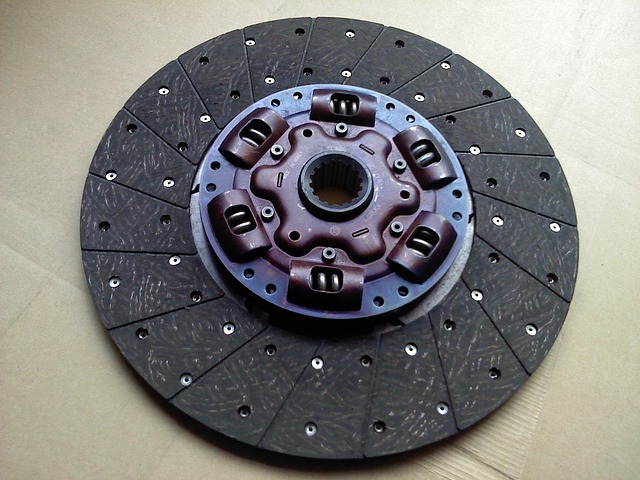

When a car finally reaches the end of its service life, many people wonder what to do with the discarded metal and plastic. Instead of sending the vehicle to a scrap yard, you can turn its unique elements into vibrant art and functional objects. This article explores how the car’s specific parts can become the foundation for a wide range of painting projects, turning automotive waste into creative expression.
Choosing the Right Parts for Painting Projects
Not every component of a vehicle is suitable for a painting project. Focus on parts that offer a stable surface, interesting texture, or striking color contrast. Common choices include headlamps, tail lights, engine covers, and the dashboard. Each of these parts presents a different canvas that can inspire a distinct artistic style.
- Headlamps: Their smooth, translucent surfaces allow paint to glow from behind, creating a luminous effect.
- Engine Covers: With their industrial look, these pieces are perfect for stencil work or faux metal finishes.
- Dashboard Panels: The curved surfaces and built‑in shapes make for compelling mixed media pieces.
- Door Sills and Trims: Often overlooked, these flat panels can be painted with bold, geometric patterns.
Safety First: Preparing the Car’s Specific Parts for Art
Before you begin painting, clean and dry each part thoroughly. Use a mild soap solution to remove grime and rust inhibitors, then rinse with clean water. Dry with a lint‑free cloth and let the surface air dry completely. If you plan to use a solvent-based paint, apply a protective layer of primer to ensure proper adhesion.
“Remember, the longevity of your art depends on how well you prepare the base. A clean, primed surface is the foundation of any lasting masterpiece.”
Techniques for Transforming Car Parts Into Paintings
Once the parts are clean, you can choose from a variety of painting techniques to bring out their character. Below are some methods that work particularly well with automotive components.
- Spray Painting for a Uniform Finish
Using a spray paint system, you can coat a car’s specific part with a smooth, even layer. This technique is ideal for large flat surfaces like door panels or chassis plates. After spraying, apply a clear coat to protect the paint from scratches and fading.
- Stencil Art for Intricate Designs
Stencils are perfect for adding patterns to irregular shapes such as wheel rims or headlamp covers. Apply a primer coat, then place the stencil on the surface. Spray or brush the paint carefully to fill the cut‑out shapes. Remove the stencil promptly to avoid smudging.
- Textured Paint for a 3‑D Effect
Use a sponge or a foam roller to dab textured paint onto the surface of an engine cover. This adds depth and visual interest, especially when combined with metallic or iridescent pigments.
- Mixed Media with Collage Elements
Attach paper, fabric, or metal strips to a dashboard panel using an epoxy resin. Once the resin cures, paint over the collage to unify the composition. This technique creates a dynamic, layered artwork.
Color Theory in Automotive Art
When painting the car’s specific parts, consider the emotional impact of color. The original paint job often influences your palette. For instance, a vintage red sedan can inspire a complementary palette of muted golds and blacks. Alternatively, contrast the part’s natural color with bold hues to create a striking visual statement.
Remember to test color combinations on a small area before committing to the full surface. This prevents unexpected results once the paint dries.
Creative Projects: From Functional Items to Wall Art
The versatility of automotive components means you can repurpose them into functional décor or striking wall art. Below are some project ideas that blend painting techniques with practical design.
- Wall Clock from a Tail Light
Paint the tail light with a monochrome gradient, then affix a small clock face and hands. The reflective surface adds a subtle glow at night.
- Desk Lamp from a Dashboard Panel
Sand the panel to smooth any rough edges, then paint it with a matte finish. Attach a LED fixture to the backside to create a stylish, industrial lamp.
- Chair Backrest from a Seat Cover
Repaint a worn seat cover with a vibrant pattern, then sew it onto a wooden chair frame. This transforms a simple chair into a conversation piece.
- Garden Planters from Door Trims
Paint the trim in earthy tones and drill a small drainage hole. Use it as a container for herbs or succulents, adding a touch of the automobile aesthetic to your garden.
Preserving Your Artistic Creations
Once you have finished painting, it’s essential to protect the artwork. Apply a clear polyurethane or acrylic sealer to shield the paint from UV light and accidental spills. For outdoor projects, consider using a waterproof sealant to keep the colors vibrant over time.
Store or display the pieces in a dry environment, and avoid direct exposure to harsh chemicals that could degrade the paint.
Environmental Impact and Sustainability
Transforming the car’s specific parts into creative projects not only gives them new life but also reduces waste. By repurposing these components, you keep valuable materials out of landfills and reduce the demand for new resources. This aligns with the growing trend toward sustainable living and eco‑friendly art.
Choosing eco‑friendly paints—such as low‑VOC or water‑based options—further enhances the environmental benefits of your project.
Community and Skill Sharing
Many local art clubs and community centers host workshops focused on upcycling automotive parts. These sessions provide hands‑on experience, tools, and inspiration for both beginners and seasoned artists. Sharing your process online—through blogs or community forums—can inspire others to explore the creative potential of the car’s specific parts.
Conclusion: Turning Old Wheels into New Art
By viewing the car’s specific parts as canvases rather than scrap, you unlock a world of artistic possibilities. From the smooth curve of a headlamp to the rugged surface of an engine cover, each component offers a unique texture and story. With thoughtful preparation, careful painting, and a touch of creativity, you can transform these automotive relics into stunning works of art that reflect your personal style and commitment to sustainability.