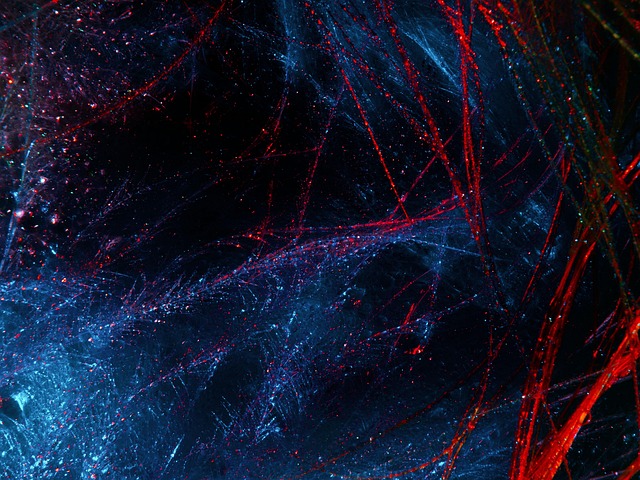

Creating art is one of the most fulfilling activities anyone can embark on, and there’s something purely magical about abstract painting. It serves as a release for inner emotions, allowing the artist to express feelings that words sometimes fail to capture. One of the most appealing aspects of this art form is that it doesn’t require meticulous planning or a formal background in art—just a willingness to explore and create. In this blog post, let’s dive into the world of abstract painting and discover how you can engage in some DIY handcraft projects that channel your creativity.
The allure of abstract painting lies in its unrestricted nature. Unlike realism, which demands precise details, abstract art invites each creator to interpret and express their own vision. You can begin with a blank canvas and let your intuition lead the way. Gather some basic supplies: acrylic or watercolor paints, canvas or heavyweight paper, brushes, and possibly some palette knives or sponges. Don’t forget to protect your work area with an old tablecloth or newspaper.
Begin your creative journey with an inspiring theme or feeling—perhaps a memory, a color palette that excites you, or even a favorite song. Lay down a base layer of color using broad strokes. This is your playground, so don’t hesitate to splash, drip, or swirl paint! The goal here is to let go of any expectations and let your soul express itself freely.
One of the joys of DIY projects is incorporating repurposed materials into your abstract painting process. Think about textures and patterns that might intrigue the viewer. Consider using old books, magazines, or fabric scraps. Glue them to your canvas as a base or add pieces so they interact with the paint. This can add depth and intrigue to your work, inviting the observer to explore the layers of your creative mind.
Mixing media can also push your abstract art to new heights. Combine paint with pastels, charcoal, or even metallics to create striking contrasts. Each medium has its own unique properties: charcoal can add a raw, expressive line, while metallic paints can bring a shimmer that catches the eye. Explore these combinations, allowing yourself to experiment without the fear of making a “mistake.” Remember, in abstract art, each choice adds to the narrative of your piece.
As you work, step back regularly and observe the evolving composition. This helps you to assess whether the piece is speaking to you or if a bold stroke or a new color might bring it back to life. Listening to your instincts is crucial; after all, this process is about personal expression and creativity.
Once you’ve completed your masterpiece, consider displaying it in your home. Art brings a room to life and can also serve as a talking point for guests. You could even gift it to a friend or family member, sharing the joy of your creation. Remember that each piece of abstract painting is a representation of your journey—every squiggle, color choice, and texture, a reflection of your creative spirit.
Engaging in DIY handcraft projects like abstract painting doesn’t just result in beautiful artworks; it cultivates mindfulness and self-discovery. So gather your supplies, unleash your creativity, and embark on this fulfilling artistic journey! Embrace the process, let go of expectations, and most importantly, have fun while expressing the nuances of your imagination through the vibrant world of abstract art.