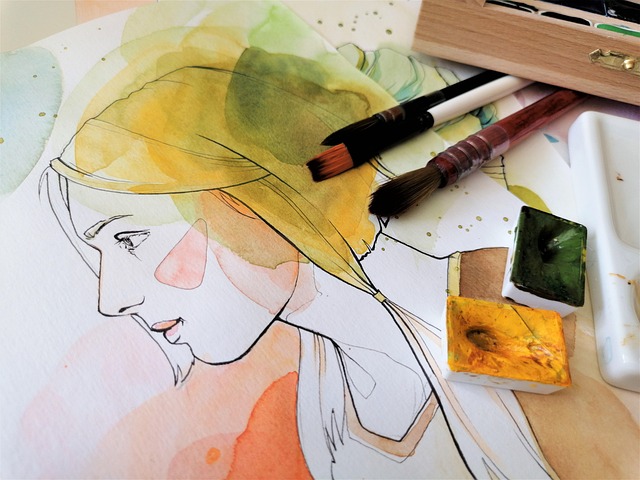

Paper art has long been a gateway to imagination for people of every age. From the delicate origami cranes that symbolize peace to the bold, layered collages that capture urban energy, this medium invites anyone to explore texture, color, and form without the constraints of expensive materials or specialized training. Whether you’re a seasoned handcrafter or a curious beginner, paper offers an accessible platform for storytelling, decoration, and even practical solutions for everyday life. The beauty of paper art lies in its versatility: a single sheet of cardstock can transform into a miniature sculpture, a paper lantern can cast dancing shadows, and a torn sheet can become a vibrant mural. The projects below showcase how diverse and engaging paper art can be, encouraging creativity across generations.
Tracing the Roots of Paper Art
While the concept of shaping paper dates back to ancient China, where paper was invented in the 2nd century CE, its artistic evolution has been a journey of experimentation and cultural exchange. The early use of paper in China was primarily functional, but artisans soon discovered its potential for decorative scrolls and illuminated manuscripts. In Europe, the Renaissance brought illuminated manuscripts to new heights, using gold leaf and intricate patterns that highlighted the paper’s ability to reflect light. The 20th century introduced mass-produced paper, which democratized the craft and made paper art a staple in schools and community centers. Today, paper art is celebrated in exhibitions, online tutorials, and workshops worldwide, a testament to its enduring appeal.
Essential Supplies for Paper Art Beginners
Before diving into the creative process, having the right tools can streamline your experience. A sturdy set of scissors, a cutting mat, and a ruler are foundational for clean cuts. For those who enjoy precision, a drafting pen or fine-tip marker can outline designs before cutting. Colored cardstock, construction paper, and watercolor paper offer varied textures and weights, each suited for different effects—from delicate origami to thick, durable sculptures. For added dimension, consider using recycled materials such as old envelopes or magazine pages. A clear adhesive like PVA glue or a glue stick works well for most paper art projects, while a spray adhesive can help keep larger pieces flat.
Beginner-Friendly Projects for All Ages
Starting with simple projects helps build confidence and fine-tune basic skills. One popular choice is paper beads: rolling strips of colored paper around a toothpick creates flexible, colorful beads that can be woven into bracelets or necklaces. Another accessible idea is paper mosaics—cutting paper into small squares or strips and arranging them into a repeating pattern, then gluing them onto a canvas. For a touch of elegance, fold a sheet of cardstock into a classic origami envelope and use it as a greeting card. These projects require minimal tools, encouraging experimentation without overwhelming detail.
- Paper Bead Jewelry
- Paper Mosaic Portraits
- Origami Greeting Cards
Kid-Friendly Paper Art Ideas
Children thrive on hands-on projects that stimulate their senses and storytelling instincts. Simple paper cutouts, like animals or fairy tale characters, can be cut with kid-friendly scissors and glued onto a backdrop to create scenes. Paper lanterns—cutting and folding a paper sheet into a cylindrical shape—allow children to experiment with light by placing a candle or LED inside. A classic “paper bag doll” uses a paper bag as the body, with drawn features and added paper hair, providing a customizable and endlessly creative toy. These projects not only nurture creativity but also develop fine motor skills and an appreciation for the tactile nature of paper.
Exploring Advanced Techniques in Paper Art
Once comfortable with basics, artists often turn to more complex methods. Papier-mâché is a forgiving technique where papier fragments are glued onto a mold—often a balloon or balloon‑filled object—to create sturdy sculptures. The process allows for layering and texturing, and once dry, the piece can be painted. Another sophisticated approach is paper quilling: rolling thin strips of paper into coils and shaping them into intricate designs, often used for decorative cards or frames. For a modern twist, consider paper cutting with a craft knife to produce translucent, lace-like cutouts that play with light when illuminated from behind.
- Papier‑mâché Sculptures
- Paper Quilling Artworks
- Translucent Paper Cutouts
Seasonal Paper Art Projects for Family Fun
Seasonal celebrations are an excellent opportunity to integrate paper art into holiday traditions. For spring, create paper flowers using colored paper and pipe cleaners, then hang them from the ceiling to mimic a blooming garden. During the fall, cut paper leaves in varying shades of orange, red, and brown, and arrange them on a wooden board to form a seasonal collage. In winter, paper snowflakes are iconic: cut symmetrical patterns into white paper and hang them from the ceiling or window to evoke a gentle snowfall. Finally, in summer, craft paper boats and set them afloat on a kiddie pool or a backyard pond, turning the backyard into a mini maritime adventure.
Transforming Recycled Paper into Beautiful Art
Using recycled paper not only reduces waste but also offers unique textures and colors that can be creatively repurposed. Old envelopes, newspaper clippings, or torn magazine pages can be layered into paper mosaics, each fragment adding a new tone or pattern. Paper mache made from shredded newspaper and glue creates strong, lightweight structures. To brighten up faded recycled paper, wash it with mild bleach or use watercolor washes to give it fresh color. By giving discarded paper a new life, you practice sustainability while honing your artistic skills.
Tips for Enhancing Durability in Paper Art Projects
While paper is inherently fragile, certain techniques can extend the life of your creations. When working with paper mache, allow each layer to dry completely before adding another to prevent warping. For paper sculptures, a light coat of acrylic varnish can protect the surface from moisture and fingerprints. Embedding a thin cardboard core or a small wooden dowel can add structural support to taller or more complex pieces. For paper cutouts used as décor, mounting them on a backing board reduces the risk of tearing. By incorporating these methods, your paper art can transition from a fleeting hobby to a lasting heirloom.
Connecting with the Paper Art Community
Engaging with fellow paper artists can inspire new ideas and techniques. Local community centers often host workshops where participants can learn paper folding, quilling, or scrapbooking. Many libraries host “Paper Art for All Ages” days, encouraging families to bring their own projects to share. Online forums and social media groups dedicated to paper art provide platforms to exchange tutorials, share progress, and receive constructive feedback. By participating, you not only refine your craft but also become part of a vibrant, supportive community that values creativity and craftsmanship.
Final Thoughts on the Endless Possibilities of Paper Art
Paper art stands out for its simplicity, accessibility, and boundless creative potential. Whether you’re cutting out a simple silhouette for a birthday card or crafting an intricate papier‑mâché sculpture, the act of manipulating paper invites you to pause, focus, and transform flat material into something that carries emotion and story. It encourages collaboration across generations, fosters an appreciation for sustainable practices, and offers an outlet for personal expression. In a world that increasingly embraces digital media, paper art remains a tactile reminder that the most profound creations can come from humble sheets of paper, shaped by the hands of curious and imaginative individuals.