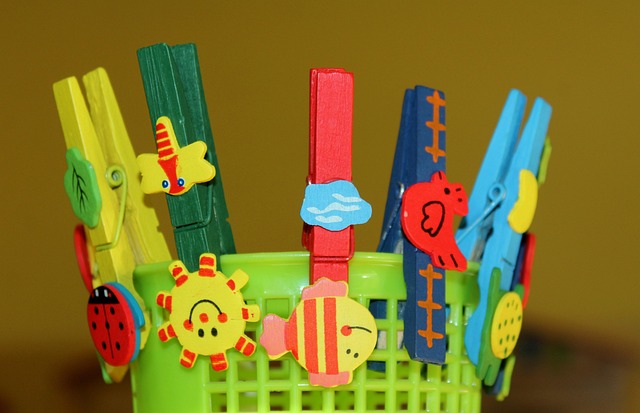

Crafting paper baskets is a charming way to turn everyday paper into functional art. The soft, flexible fibers of paper allow for a variety of shapes, from shallow trays to tall storage containers, while the process itself is both meditative and engaging. Whether you’re a seasoned crafter or a curious beginner, the techniques described below will guide you through creating beautiful, practical baskets that can brighten any room. The key is to experiment with different paper types, colors, and patterns, letting your creativity steer the final design.
Choosing the Right Paper
Not all paper behaves the same when rolled, glued, and stacked. To achieve sturdy paper baskets, you’ll want paper that offers a good balance of strength and pliability. Recycled printer paper, butcher paper, or thick cardstock work well for larger baskets, while high‑quality construction paper or even origami paper is ideal for delicate, intricate shapes. Consider the paper’s weight: heavier paper (around 90–120 gsm) provides more structure, whereas lighter paper yields a softer, more airy finish.
- Printer or copier paper – best for sturdy baskets.
- Butcher or parchment paper – offers durability and a natural look.
- Construction paper – colorful and versatile for decorative pieces.
- Origami or washi paper – adds texture and a touch of elegance.
Preparing the Base
Before you start rolling, lay a clean, flat surface. If you want a smooth base, press a piece of cardboard or foam board beneath the paper stack. Fold the paper in half and cut it into long strips, typically 4–6 cm wide, depending on the desired basket size. The width of each strip determines the width of the basket’s rim and the final circumference of the basket.
Rolling Technique
Roll each strip tightly, keeping the edge aligned with the previous roll to maintain uniformity. Apply a thin line of white glue or a diluted PVA adhesive along the edge before rolling. Once the entire strip is rolled, let it dry slightly—just enough that the glue sets but the paper remains flexible. This dry‑but‑soft stage allows you to shape the roll into a circle, the fundamental building block of most paper baskets.
“A smooth roll is the foundation of a smooth basket.” – Handmade Crafts Journal
Assembling the Basket Body
Take the rolled circle and lay it flat. Gently press the rim against a clean surface, allowing the fibers to relax into a smooth, circular shape. If you want a tighter circumference, you can twist the circle a few times before the glue fully dries. Once the shape is ready, begin layering additional rolled strips around the first circle, applying glue at each seam. Overlap each new layer by about 25 % of its width to build a uniform wall thickness.
Finishing Touches
After building up the desired height—usually between 5 cm and 15 cm for typical baskets—allow the structure to dry completely, preferably overnight. Once dry, trim any uneven edges with a sharp blade to create a clean rim. If you want to add a decorative edge, you can wrap a contrasting paper strip around the rim or apply a thin line of colored glue before the final drying. For a more refined look, consider embedding a thin strip of parchment or a small piece of twine as a base ring before starting the first roll.
Protecting Your Creation
Paper baskets, while durable, can absorb moisture and degrade over time. To prolong their life, treat them with a light spray of clear acrylic sealer. This sealant forms a protective barrier that resists water damage while preserving the paper’s natural color and texture. When the sealer dries, the basket will feel slightly firmer, yet it will still retain the gentle flex of paper.
Creative Variations
Once you master the basic technique, you can experiment with a variety of styles. For instance, using patterned paper can give your basket a unique visual appeal. Mixing two or three paper colors in alternating layers creates a striking ombré effect. Another fun twist is to use translucent paper for a basket that lets light filter through, adding a whimsical touch to any décor. Additionally, incorporating small embellishments—such as dried flowers, ribbon, or beads—can turn a plain basket into a personalized gift.
Practical Uses
Paper baskets can serve many functions: they’re great for holding pens, jewelry, or kitchen utensils. In a nursery, a lightweight basket can hold crayons and toys without weighing down the child’s hand. For a rustic kitchen, stack baskets of different sizes to store spices, napkins, or even fresh produce. In a home office, use them to organize stationery or as a stylish drawer organizer. The versatility of paper baskets means they fit almost any space, adding both practicality and a handcrafted aesthetic.
Tips for Beginners
1. Keep your workspace dry and well‑ventilated to prevent the paper from warping. 2. Use a steady hand when applying glue; a small amount goes a long way. 3. Practice rolling on a spare sheet before starting the actual basket. 4. If the paper tears, patch the hole with a small piece of matching paper and press firmly. 5. Always let the basket dry completely before handling or using it, to ensure maximum strength.
Conclusion
Creating paper baskets is an inviting project that blends art, skill, and practicality. With the right materials and a patient, methodical approach, you can craft baskets that are both beautiful and functional. Whether you choose classic colors, experiment with patterns, or add your own embellishments, the end result is a piece of handmade décor that reflects your personal style. Start today, and let the humble sheet of paper transform into a versatile, eye‑catching treasure for your home.