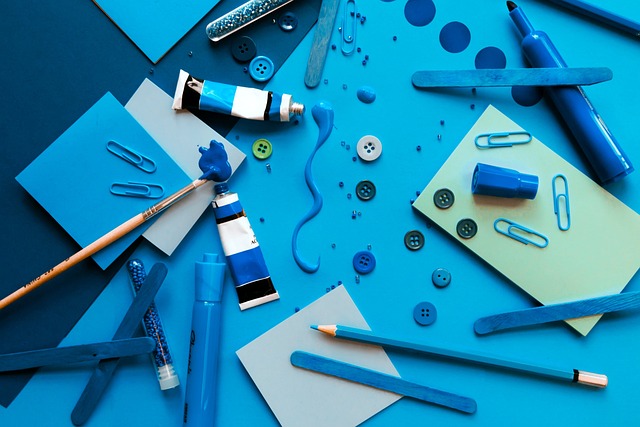

Handcrafting is a timeless way to express personality, declutter space, and bring warmth to everyday objects. Whether you’re a seasoned crafter or a beginner curious about what to try next, the heart of every project lies in the materials you choose. By exploring creative materials, you open doors to endless possibilities, from recycled treasures to natural wonders. This article walks you through the most accessible and inspiring options, gives you ready‑made project ideas, and offers practical advice on sourcing, using, and caring for these materials. Let’s dive into the world of creative materials and unlock your next favorite DIY handcraft.
Types of Creative Materials
Creative materials come in a wide range of textures, colors, and origins. Knowing the categories and where each excels helps you decide which projects fit your vision and your skill level.
- Recycled Paper & Cardboard – old books, cereal boxes, and newspapers can be transformed into sturdy frames, paper mache, or whimsical lanterns.
- Natural Fibers – cotton, linen, jute, and bamboo offer a breathable, eco‑friendly base for textiles, rugs, or wall hangings.
- Upcycled Fabrics – discarded clothing, curtains, and scarves give a second life to colorful fabrics that can become patchwork pillows, bags, or embroidered décor.
- Wood & Driftwood – pallets, reclaimed wood, or sea‑washed driftwood are perfect for rustic shelves, picture frames, or garden markers.
- Glass & Clay – glass bottles, shards, and clay pots provide a tactile element for mosaic coasters or pottery.
- Natural Stones & Pebbles – smooth river stones, marbles, and shells can be arranged into mosaics or used as paperweights.
- Craft Supplies & Resins – polymer clay, acrylic paints, and clear resin allow you to inject color, texture, and finish into almost any project.
DIY Projects Using Creative Materials
1. Mason Jar Herb Garden
This simple yet elegant planter turns kitchen scraps into a living artwork.
- Mason jars or other clear glass containers
- Potting soil or compost
- Herbs such as basil, mint, or thyme
- Stones or decorative glass for drainage
- Paint or permanent markers for personalization
Fill each jar with a small layer of stones, add soil, plant the herbs, and label each jar with a painted marker. The clear glass showcases the greenery while the personal touch makes it a charming gift or kitchen staple.
2. Recycled Cardboard Lantern
Transform an old cardboard box into a lantern that brings warm, ambient light to any room.
- Cardboard box or large paper towel roll
- Sharp scissors or a utility knife
- Glue or double‑sided tape
- Decorative paper, fabric, or tissue paper
- LED tea light or a small battery‑powered light
Cut a pattern into the cardboard, layer decorative paper over it, and seal the edges. Place the light inside, and you have an instant mood maker that showcases your recycled creative materials.
3. Fabric Collage Journal
Blend textures and colors by creating a journal cover from leftover fabrics.
- Old t-shirts, scarves, or fabric scraps
- Cardboard or thick construction paper
- Fabric glue or a hot glue gun
- Elastic band or ribbon for closure
- Optional: Embellishments like buttons or beads
Cut the fabrics into irregular shapes and glue them onto the cardboard base. Add a closure and optional embellishments for a unique, tactile journal that feels like a piece of wearable art.
4. Driftwood Coasters
Give a beachy vibe to your living space with coasters made from driftwood.
- Small pieces of driftwood or reclaimed wood
- Sandpaper
- Clear varnish or waterproof sealant
- Optional: Embellishment with shells or glass beads
Sand the wood smooth, apply the sealant, and let dry. If desired, attach shells or glass beads to create a decorative pattern. These coasters are both functional and a reminder of the sea’s beauty.
5. Clay-Mosaic Pendant
Combine clay tiles and small glass shards into a statement jewelry piece.
- Polymer clay in assorted colors
- Glass shards or small mosaic tiles
- Jewelry wire or chain
- Small eye hook
- Optional: Polymer clay glue or a hot glue gun
Flatten the clay into a base, glue the shards or tiles onto it in a chosen pattern, and bake as per clay instructions. After cooling, attach the eye hook and chain to create a unique pendant that showcases creative materials in miniature form.
Tips for Selecting Creative Materials
- Consider the End Use – Choose durability if the item will be handled frequently; choose softness for items that will be touched often, like cushions or scarves.
- Look for Color Harmony – Natural materials often have complementary tones. Mixing a muted linen with a vibrant recycled fiber can create striking contrast.
- Prioritize Safety – For projects involving children or pets, ensure all materials are non‑toxic and free from small parts that could be swallowed.
- Test Compatibility – If you are combining adhesives with fabrics, test a small sample first to avoid color bleeding or texture loss.
- Check for Sustainability – Favor recycled or upcycled options, and consider how the material can be reused or composted at the end of its life.
Safety and Sustainability in Handcrafting
Creative materials open a playground of possibilities, but a mindful approach ensures you remain safe and kind to the planet.
- Ventilation Matters – When using resins, glues, or paints, work in a well‑ventilated area or outdoors to avoid inhaling fumes.
- Protective Gear – Gloves protect skin from adhesives; eye protection guards against splashes when cutting or sanding.
- Dispose Responsibly – Many adhesives and paints are hazardous. Follow local regulations for chemical disposal or opt for water‑based, non‑toxic alternatives.
- Plan for Longevity – Durable materials may require less frequent replacement, reducing waste. Use sealants or protective coatings to extend the life of wooden or fabric pieces.
- Upcycle First – Give second life to items that would otherwise end up in landfill. Even a torn shirt can become a vibrant patchwork blanket.
Conclusion
Handcrafting thrives on the creativity you inject into each selection of materials. From recycled cardboard and natural fibers to upcycled fabrics and reclaimed wood, creative materials provide endless avenues for personal expression and sustainable living. By exploring the categories, following thoughtful project ideas, and adopting safe, eco‑friendly practices, you can create functional, beautiful pieces that celebrate both craft and stewardship. Whether you’re making a mason jar herb garden or a driftwood coaster, let the materials speak to your imagination, and watch ordinary items transform into cherished, one‑of‑a‑kind treasures.