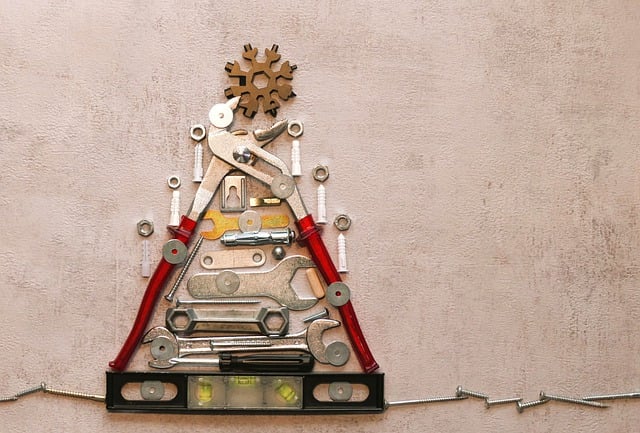

When it comes to turning an ordinary piece of wood into a statement of personal style, the humble screwdriver often becomes the unsung hero. Its simple, ergonomic design allows for precise control, making it indispensable for anyone who loves DIY, creative projects, or handcraft. A good screwdriver isn’t just a tool; it’s an extension of your own hands, translating intent into reality with a click of a thumb or a twist of a wrist. Understanding how to wield this small instrument effectively opens up a world of possibilities—from restoring a dented dining chair to constructing a bespoke bookcase that fits your living room’s unique aesthetic.
Choosing the Right Screwdriver for Your Project
Not all screwdrivers are created equal. The key to efficient and safe work lies in matching the tool to the task. For most furniture projects, a set of Phillips, flathead, and a few specialty bits such as Torx or Robertson will cover the majority of screws encountered. The handle should feel balanced; a textured grip reduces slippage during repetitive turning. Steel construction provides durability, while a plastic or nylon coating keeps it lightweight. When working on delicate surfaces, a small, precision screwdriver offers control that minimizes the risk of stripping or damaging the screw head.
- Phillips head: Ideal for most interior fasteners.
- Flathead: Essential for slotted screws and decorative trim.
- Torx or Robertson: Used in modern, high‑strength furniture assemblies.
- Precision screwdriver: Great for intricate repairs or small wooden panels.
Safety First: Protecting Yourself and Your Project
Before you even pick up a screwdriver, establish a safe workspace. Clear the area of debris, secure the furniture with clamps if necessary, and keep a clean cutting surface free of stray nails or metal shavings. Wear eye protection to guard against accidental splinters or flying debris. The most common mistake among hobbyists is applying too much force, which can break screws or compromise the structural integrity of the piece. Use gentle, steady pressure, and always turn the screwdriver in the correct direction—clockwise to tighten, counterclockwise to loosen.
“A careful hand and a steady eye keep the craft alive,” said seasoned woodworker Maya Chen.
From Dull to Distinctive: Refurbishing Old Furniture
Old furniture holds untold stories; a screwdriver can help write a new chapter. Begin by inspecting the item for loose screws or weakened joints. Tighten each fastener with a Phillips screwdriver, paying close attention to the torque you apply. For screws that have become rusted or stuck, gently tap the screwdriver tip with a hammer before turning—this can break the bond without damaging the screw head. Once all connections are secure, use a flathead screwdriver to remove stubborn staples or nails that may be obstructing a new finish. The end result is a sturdy, renewed piece that retains its original charm while fitting into modern décor.
Project Spotlight: Upcycled Bookshelf
Take a stack of unsold wooden crates and transform them into a stylish bookshelf. Start by measuring and marking each crate to create uniform shelves. Use a flathead screwdriver to remove any old nails, then drill new holes for screws that will hold the shelves in place. Phillips screws secure the base to the wall; Torx screws fasten the shelves together. Finish with a coat of reclaimed‑wood varnish and let the DIY project showcase your personal touch while reducing waste.
- Mark shelf positions on each crate.
- Remove old nails with a flathead screwdriver.
- Drill new holes and insert Phillips screws.
- Apply varnish and allow to dry.
Creative Construction: Building Custom Furniture
When building something from scratch, the screwdriver remains your most reliable partner. Whether you’re constructing a coffee table or a sideboard, the process begins with accurate measurements and precise cuts. The screwdriver then plays a pivotal role in aligning pieces and ensuring each joint is tight. For complex assemblies, using a combination of Phillips and flathead screwdrivers allows you to manage different types of screws—Phillips for structural fasteners, flathead for decorative or trim elements. A meticulous approach to screw placement not only guarantees durability but also contributes to the aesthetic harmony of the finished piece.
Step‑by‑Step: Crafting a Hand‑Made Coffee Table
1. Cut the tabletop from a single piece of plywood, then sand the edges for a smooth finish.
2. Assemble the legs using a combination of Phillips and Torx screws, ensuring each leg is perfectly vertical.
3. Attach a wooden crossbar between the legs with a flathead screwdriver to provide extra stability.
4. Finish the surface with a light coat of oil, allowing the table’s natural grain to shine through.
Using a screwdriver in every fastening step guarantees the table will hold up to daily use and remain a conversation piece for years.
Fine‑Tuning Details: Decorative Touches and Finishing Touches
Even the smallest decorative elements require the steady hand of a screwdriver. For instance, attaching a wooden frame to a window or door involves fitting a series of small screws that must be evenly spaced and flush with the surface. A precision screwdriver allows you to drill the right amount of torque, preventing damage to the wood or the screw head. In addition, when applying a final coat of paint or varnish, a screwdriver can help hold a small brush or roller in place during the drying process, ensuring a clean and even finish.
Quick Tip: Using a Screwdriver as a Level
When assembling a shelf or a piece of wall-mounted furniture, a screwdriver can double as a simple level. Align the screwdriver’s shaft with the desired horizontal line and slide it along the surface. The flathead tip rests firmly against the wood, giving you a visual cue to adjust as needed. This makes the process quicker and reduces the risk of uneven construction.
Maintenance and Longevity: Caring for Your Screwdriver and Furniture
Keeping your screwdriver in good condition extends both its lifespan and the quality of your projects. After each use, wipe the tip with a dry cloth to remove dust and debris. Inspect for any wear or damage to the shaft or handle, and replace the bit if it shows signs of wear. For long‑term storage, keep the screwdriver in a dry place and consider a magnetic screwdriver holder to prevent loss. On the furniture side, regular inspections can catch loose screws early, preventing larger issues down the road. A quick tighten with a Phillips screwdriver can save a piece from disassembling during a rainy season.
When to Seek Professional Help
While a screwdriver empowers countless DIY projects, some tasks demand professional expertise. Structural repairs that involve load‑bearing components, advanced joinery, or electrical integrations may require specialized tools and knowledge beyond the scope of a standard screwdriver. In such cases, consulting a seasoned craftsman ensures safety and durability. Nonetheless, many everyday fixes—tightening loose legs, reattaching panels, or updating hardware—remain within reach for the dedicated hobbyist armed with a trusty screwdriver.
The Bottom Line: A Screwdriver as a Gateway to Creativity
From refurbishing heirlooms to building brand‑new furniture, the screwdriver stands as a central figure in the realm of DIY, creative projects, and handcraft. Its versatility, simplicity, and precision make it the perfect companion for anyone looking to transform functional objects into personalized masterpieces. With a solid understanding of the tool’s capabilities and a commitment to safety, you can unlock endless possibilities for expression, sustainability, and craftsmanship. So the next time you encounter a wooden panel or a stubborn joint, reach for the screwdriver—your creative journey awaits.