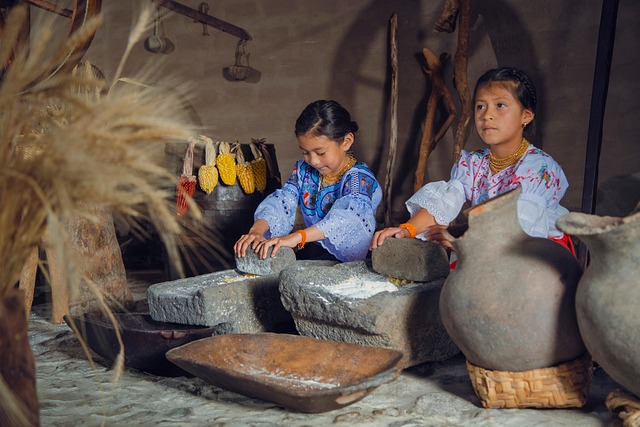

The art of making things by hand is a living bridge between past and present. In a world that speeds up every day, the deliberate act of crafting with one’s own hands offers a pause, a chance to honor techniques that have survived centuries. This piece explores how DIY enthusiasts can weave the preservation of tradition into everyday projects, ensuring that skills are not lost but carried forward.
The Roots of Handcrafted Heritage
Many cultures have cultivated a rich tapestry of crafts: weaving, pottery, carving, and basketry, among others. Each of these disciplines was developed to meet practical needs, but over time they evolved into expressive traditions, embedding stories and values into tangible objects. The preservation of tradition involves both remembering these origins and allowing them to inform modern creations.
- Weaving: from the looms of ancient Mesopotamia to the hand-knot techniques of the Naga people.
- Pottery: the transition from earthenware in Neolithic villages to the intricate glazed ceramics of Edo Japan.
- Carving: the symbolic woodwork of African masks that continue to inspire contemporary sculpture.
Why Preserve Traditional Techniques?
Preservation of tradition is more than nostalgia; it is a repository of knowledge that informs sustainable practices. Traditional methods often use locally sourced materials and low-energy processes, offering lessons in environmental stewardship. They also preserve social bonds, as craft is frequently a communal activity that strengthens identity.
“Every time you stitch a piece of cloth, you are stitching a story that could have been told in a different era.” – Anonymous Maker
Identifying Traditional Skills for Your Projects
Start by exploring crafts that resonate with your own background or those that interest you. Many local heritage centers, libraries, and community groups hold workshops that demonstrate foundational techniques. By learning the basics—such as how to warp a loom, fire a kiln, or carve a wooden handle—you lay a solid base for authentic DIY projects.
Choosing Materials with Heritage in Mind
Traditional materials carry distinct textures and histories. For example, natural fibers like flax, hemp, or bamboo reflect agricultural cycles and regional flora. Clay from local riverbeds offers mineral signatures unique to a place. When you select these resources, you embed the story of the land into the final product.
- Research local suppliers who source sustainable fibers.
- Test different clays for plasticity and firing temperature.
- Consider reclaimed wood from heritage structures for carving projects.
Step‑by‑Step: A DIY Quilt Inspired by Traditional Patterns
Quilting is a craft that has survived for generations, evolving from a functional necessity to a decorative art. In this project, you will create a patchwork quilt that honors traditional motifs while incorporating modern color palettes.
- Collect fabric scraps—preferably natural fibers—to respect the tradition of resourcefulness.
- Sketch a grid of squares and assign each a pattern based on historical designs, such as the geometric motifs of the Navajo or the floral symbols of Scandinavian folk art.
- Cut the squares and arrange them to create a balanced composition.
- Sew the squares together, using a straight stitch that mimics the hand‑sewn seams of old quilts.
- Add a binding of the same fabric and finish with a hand‑stitched edge to complete the project.
Integrating Modern Tools Respectfully
Modern machinery can accelerate production, but it can also erode the tactile essence of a craft. When incorporating tools like sewing machines or laser cutters, use them sparingly and only where they enhance rather than replace the hand‑crafted process. For instance, a sewing machine might be used to attach a delicate lace trim, while the main structure remains hand‑stitched.
Case Study: Hand‑Made Ceramic Mug Series
A small studio in Kyoto offers a fascinating example of tradition preservation. The artisans combine centuries‑old clay recipes with contemporary glazing techniques, creating mugs that feel both familiar and fresh. By documenting each step—mixing the clay, wheel‑throwing, bisque firing, and hand‑applying glaze—these makers produce a learning resource for future DIY enthusiasts.
Tips for Maintaining Craftsmanship Quality
Preservation of tradition relies on quality that transcends time. Focus on precision, patience, and respect for the material. When working with wood, use a sharp knife and follow the grain. In pottery, monitor moisture levels closely. In textiles, allow each stitch to settle before moving on.
Creating a Community of Traditional Makers
Learning is amplified when shared. Organize or join local meet‑ups where members showcase their projects and discuss techniques. Rotating responsibilities—such as teaching a weaving class one week and a pottery session the next—helps distribute knowledge and keeps traditions alive in collective memory.
Online Platforms: A Modern Extension of Tradition
While hands‑on workshops are invaluable, online forums, video tutorials, and social media groups broaden access. Use these platforms to share your projects, ask questions, and preserve a digital archive of methods. Ensure that every post includes detailed instructions, diagrams, and reflective commentary on the traditional roots of the technique.
Measuring the Impact of Preservation Efforts
Assessing how well a tradition is being preserved involves both qualitative and quantitative metrics. Track the number of people who adopt a technique, the frequency of community gatherings, and the longevity of materials used. Additionally, evaluate whether the project still conveys the cultural narratives that originally inspired it.
Documenting Stories Behind Materials
When you craft an item, pause to record where each component came from and why it matters. This narrative layer turns a simple object into a living chronicle of tradition. Future makers can reference these stories, ensuring that each new iteration remains anchored to its historical context.
Encouraging Youth Engagement in Traditional Crafts
Young people often feel disconnected from ancestral skills. By framing traditional techniques as creative playgrounds—such as turning loom weaving into a digital design challenge—makers can spark curiosity. Incorporate interactive elements, like virtual weaving games, that still honor the underlying patterns and logic.
Integrating Storytelling with Hands‑On Projects
Storytelling is a potent tool for preservation. Attach each DIY project with a short narrative—perhaps the origin of a motif or the history of a material—so that the maker feels a sense of stewardship. This practice reinforces the idea that the craft is a living, breathing entity rather than a static hobby.
Conclusion: A Living Tradition in the Making
Preservation of tradition in DIY handcraft projects is an act of continuity, bridging past expertise with present creativity. By thoughtfully selecting materials, learning foundational skills, and sharing knowledge within a community, we ensure that each handcrafted piece carries forward a piece of collective memory. The result is a tapestry of objects that not only serve functional purposes but also stand as testimonies to the resilience of human ingenuity.