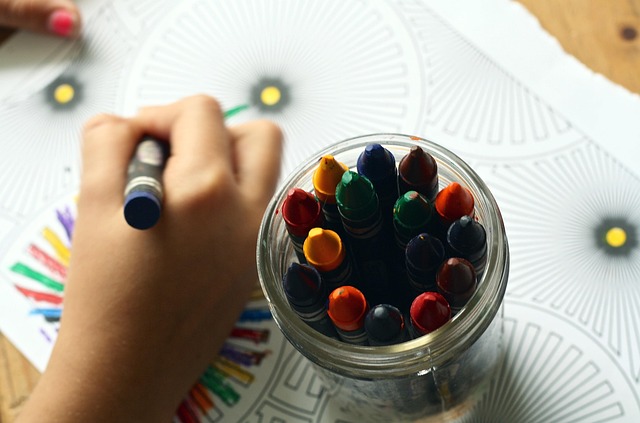

When the idea of a creative coloring book first came into my mind, I imagined a simple collection of lined pages that would allow people to unleash their imagination. However, the concept evolved into something far richer—a dynamic, hand‑crafted companion that blends the soothing rhythm of coloring with the tactile joy of creating. In this article, I will walk you through a variety of DIY projects that transform ordinary paper, cardboard, and craft supplies into a personalized, one‑of‑a‑kind creative coloring book. These projects are perfect for artists, parents, teachers, and anyone who wants to infuse their everyday routines with a dose of hands‑on creativity.
Why Choose a DIY Creative Coloring Book?
Many people use commercial coloring books to relax or as a gift. Yet a DIY version offers several unique benefits:
- Customization – Every page can be tailored to your interests, from botanical motifs to fantasy landscapes.
- Eco‑Friendly – By repurposing paper scraps or using sustainably sourced materials, you reduce waste.
- Educational Value – For children, a hand‑made book can incorporate learning elements such as alphabet or counting while still being fun.
- Therapeutic Experience – The act of crafting the book itself can be a calming, mindful activity.
Gathering Your Materials
The foundation of any creative coloring book is the raw material. Here’s a starter kit you might consider:
- Paper – High‑quality cardstock for covers and standard printer paper or watercolor paper for interior pages.
- Binding Supplies – Spiral binders, ring binders, or a simple binding glue and a hole punch.
- Decorative Elements – Stickers, washi tape, ribbon, and cut‑out shapes.
- Coloring Tools – Colored pencils, gel pens, markers, or watercolor sets.
- Optional Enhancements – Metallic pens, embossing tools, or even a small sewing kit for fabric inserts.
Project 1: The Classic Spiral Binder Edition
This project is ideal for beginners who want a quick, sturdy book. Here’s how to assemble it:
- Print or Draw Your Pages – Use a computer or hand‑draw to create 30–40 pages featuring your chosen theme.
- Trim and Organize – Cut the pages to a uniform size, usually 8.5”×11” or A4 for a standard feel.
- Bind – Place the pages in a spiral binder with a decorative cover page that can be embellished with stickers or hand lettering.
- Add a Finishing Touch – Tie a ribbon around the cover or attach a small keychain for an extra charm.
This type of binding allows you to flip pages freely, making it great for coloring sessions on the go.
Project 2: The Hardcover Craft Book
For those who love a more formal, book‑like feel, a hardcover edition is the way to go. Here’s a step‑by‑step guide:
- Choose Your Cover Material – Thicker cardboard or a thin wood veneer provides durability.
- Create a Binding Template – Cut a strip of cardstock along the edge of the pages to serve as the spine.
- Attach Pages – Use a strong glue or a simple sew‑binding method to attach the spine to the front and back covers.
- Decorate – Hand‑paint or use a laser cutter to add embossed designs, and finish with a sealant for protection.
The result is a luxurious, personalized book that can sit on a shelf or be carried for inspiration.
Project 3: The Themed Page Set
Instead of creating a single cohesive book, design a series of themed page sets—each set can be a mini‑book on its own. Examples include:
- Seasonal Scenes – Snowy landscapes, blooming gardens, or autumn forests.
- Fantasy Creatures – Dragons, unicorns, or mermaids with intricate patterns.
- Travel Sketches – Iconic landmarks from around the world drawn in a line‑art style.
These sets can be bound together with a simple ring binder or stored in a decorative tin. The flexibility allows you to add new sets over time.
Project 4: Interactive Pop‑Up Pages
Bring your coloring book to life with pop‑up elements. Start with a simple base and fold a page in a way that creates a 3‑D shape when opened. Add cut‑out paper to form the pop‑up object, then color it. This technique is especially engaging for younger audiences and adds an extra layer of creativity.
Adding Personal Touches
Once the core structure is complete, personalize your creative coloring book with thoughtful details:
- Handwritten Notes – Write inspirational quotes or brief prompts on each page.
- Photographs – Insert family photos or snapshots from travels, then color over them for a nostalgic feel.
- Custom Bookmark – Create a small ribbon or paper bookmark to mark progress.
- Color Palette Guide – Include a quick reference sheet that suggests complementary colors for each page.
Tips for Maintaining Quality
To ensure your handmade coloring book remains durable and enjoyable, keep these best practices in mind:
- Use Archival‑Grade Paper – Acid‑free paper will resist yellowing over time.
- Apply a Protective Coating – A thin layer of clear acrylic spray can safeguard the pages from ink bleed.
- Store Properly – Keep the book in a dry, cool place and avoid excessive folding.
- Refresh Ink – If colors fade, you can add a fresh layer of ink or paint for a renewed look.
Incorporating Learning Elements
For families with children, a creative coloring book can double as a learning tool. Add alphabet tracing pages, simple math problems, or language prompts alongside the artistic content. This fusion not only makes the book more engaging but also reinforces educational objectives in a fun, hands‑on format.
Ideas for Advanced Projects
If you’re feeling adventurous, consider the following advanced techniques:
- Quilling Pages – Fold and glue thin strips of paper to create intricate designs.
- Embroidery Borders – Stitch along the edges of pages for a tactile texture.
- Mixed Media Collage – Combine photographs, pressed flowers, and textured paper.
- Digital Integration – Scan your hand‑drawn pages, edit them digitally, and print back into the book.
Sharing Your Creation
Once your creative coloring book is complete, share the joy. You can gift it to friends or family, use it in classroom settings, or even host a workshop where participants build their own books. Sharing the process encourages others to explore their creative potential and can spark new community projects.
Final Thoughts
Embarking on a DIY creative coloring book project is more than just a craft—it’s an invitation to slow down, reflect, and enjoy the present moment. By combining color, texture, and imagination, you transform simple pages into a treasure trove of personal expression. Whether you’re a seasoned artist or a curious beginner, these projects offer an accessible way to cultivate creativity and mindfulness. So gather your supplies, pick a theme that speaks to you, and start building a book that will be a source of inspiration for years to come.