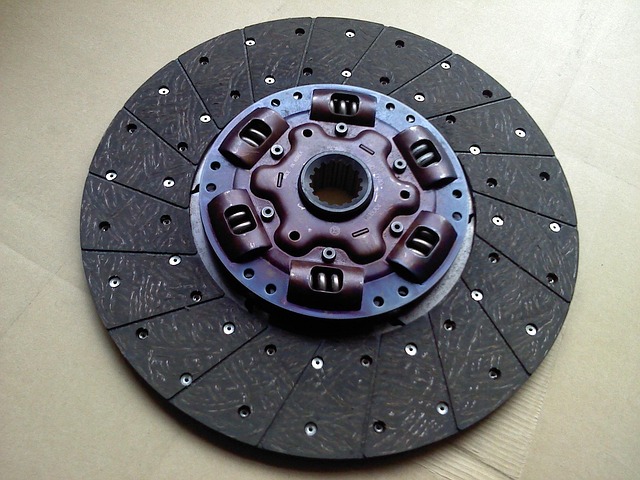

When a hobbyist’s curiosity turns to the clanking, humming world of automobiles, the possibilities for creative exploration expand beyond the traditional mechanics and into the realm of handcraft. Instead of merely driving a car, many enthusiasts find joy in repurposing the specific parts of the car into expressive works of art. By applying painting techniques to worn metal, plastic, and glass, these projects transform everyday automotive components into statement pieces that celebrate engineering, aesthetics, and personal storytelling.
Why Focus on the Specific Parts of the Car?
The specific parts of the car—whether a brake pedal, a dashboard trim, or a fuel cap—carry a hidden narrative. Each component has a purpose, a history of manufacturing, and a unique texture. When an artist reinterprets these elements through paint, the resulting artwork becomes a dialogue between function and form. This dialogue invites viewers to reconsider what they often overlook: the quiet beauty embedded in the mundane.
Choosing the Right Component
Not every automotive part lends itself equally to a painting project. When selecting a piece, consider the following criteria:
- Material compatibility: Metal panels respond well to primer and acrylics, while plastic housings may require oil-based primers to ensure adhesion.
- Surface texture: A smooth steering wheel offers a blank canvas, whereas a dented bumper can provide a sculptural base for abstract expression.
- Historical or sentimental value: A vintage dashboard may carry nostalgic weight, making the finished piece more meaningful.
- Safety and legibility: Avoid painting over functional elements like brake lines or sensors to preserve the vehicle’s operability.
Preparing the Canvas: Cleaning and Priming
Before any paint touches the specific parts of the car, thorough cleaning is essential. Remove rust, oil, and old coatings with a mild degreaser or a mix of warm water and dish soap. For stubborn grime, a steel wool pad can help, but always protect the underlying metal with a gentle wipe to avoid scratches. Once clean, let the part dry completely.
Priming establishes a uniform base that enhances paint adhesion and longevity. For metal, a two-part epoxy primer provides rust inhibition and a robust surface. Plastic surfaces may need a plastic primer formulated to bond with polymers. If the component has a glossy finish, lightly sand it with 220-grit sandpaper to create a texture that the primer can grip.
After primer application, allow the surface to cure according to the manufacturer’s instructions—usually 24 hours—before proceeding to the painting stage.
Choosing Your Palette and Techniques
Once primed, the real creative freedom emerges. The specific parts of the car can be transformed into vivid color studies or subtle, muted tones. Artists often adopt one of the following approaches:
- Abstract geometric patterns: Using masking tape, create sharp angles or organic shapes that play against the component’s contours.
- Nature-inspired motifs: Paint foliage, waves, or sky gradients to juxtapose natural serenity against engineered precision.
- Vintage automotive motifs: Render classic car decals, racing stripes, or racing numbers to pay homage to automotive heritage.
Mixing mediums can also add depth: acrylics, watercolors, and even spray paints can coexist on a single part, each contributing texture and visual interest. Experimentation is key—test colors on a scrap piece of the same material to see how they settle and dry.
Step-by-Step Project: Turning a Brake Pedal into a Modern Art Piece
Let’s walk through a practical example that demonstrates the process from start to finish. A brake pedal is a readily available piece that showcases mechanical form while offering a large, flat surface for painting.
- Removal: Safely disconnect the brake pedal by following the vehicle’s service manual. Remove all screws and bolts, then detach the pedal from the hydraulic lines using a wrench.
- Cleaning: Wash the pedal in a solution of warm water and mild detergent. Rinse thoroughly, then dry with a lint-free cloth.
- Primer: Apply a thin coat of metal primer. Use a small brush for edges and a spray can for the main surface. Let it cure for 12 hours.
- Design: Sketch your design with a washable marker. For a contemporary look, consider a geometric pattern of interlocking hexagons.
- Painting: Apply acrylic paint in the chosen colors. Use a fine brush for details and a flat brush for large areas. Allow each coat to dry for 30 minutes before applying the next.
- Seal: Once the final layer dries, apply a clear polyurethane topcoat to protect the paint from wear and moisture.
- Reassembly: Reconnect the pedal to the hydraulic system, ensuring all bolts are tightened to manufacturer specifications.
The result is a functional yet artistic brake pedal that can serve as a conversation starter in any garage or workshop.
Safety and Practicality in Artistic Transformations
“When painting automotive parts, never compromise safety. Aesthetic improvements should never interfere with the component’s ability to function.”
It is vital to respect the functional nature of each component. Even if you paint a seat belt frame or a headlight assembly, ensure that all safety certifications remain intact. Use paint that does not flake or shed, and avoid covering heat-resistant or insulation areas that could affect vehicle performance.
Incorporating Mixed Media: Adding Texture and Depth
Beyond flat painting, artists can enrich the surface of specific parts of the car with mixed media elements. Techniques such as embossing, sandblasting, or adding metal accents can create a tactile experience. For instance, sandblasting a part of a gear knob to expose the metal’s grain before painting can give a subtle contrast between matte and glossy finishes.
For a more avant-garde approach, attach reclaimed wood or fabric to a car door panel. Use epoxy resin to bind the materials together, creating a collage that juxtaposes organic and industrial textures. The result is a piece that not only captures the essence of the automobile but also pushes the boundaries of traditional painting.
Showcasing Your Creations: From Workshop to Gallery
After crafting a painted automotive component, consider the best way to display it. A wall-mounted steering wheel can become a striking centerpiece, while a polished dashboard can serve as a tabletop surface. For those who wish to share their work, local craft fairs or automotive enthusiast meetups are excellent venues to showcase the marriage of engineering and art.
Documenting the process—through written notes or sketches—can also add value. Future enthusiasts may look back on these records as a guide for their own creative projects, expanding the community of DIY car art.
Continuing the Legacy: Inspiring Future Generations
Engaging with the specific parts of the car through painting offers more than aesthetic pleasure. It bridges the gap between mechanical curiosity and artistic expression, encouraging young makers to explore interdisciplinary skills. By sharing tutorials, hosting workshops, and collaborating with local schools, experienced artists can inspire a new generation of creators who will carry forward the tradition of transforming everyday objects into art.
Conclusion: The Art of Reimagining the Specific Parts of the Car
Painting the specific parts of the car turns ordinary mechanical elements into extraordinary canvases. Through meticulous preparation, thoughtful design, and respect for safety, creators can breathe new life into brake pedals, steering wheels, dashboards, and more. The resulting works celebrate both the ingenuity of automotive engineering and the boundless potential of human creativity.